Today, I want to step away from Pachislot for a moment and talk about “Pachinko.” The fundamental mechanism of Pachinko is actually much simpler than Pachislot.
While Pachislot relies on tokens and physical spinning reels, Pachinko is a game played using a mechanical dial (throttle) and a giant LCD screen. By twisting the dial, you launch small steel balls onto the board. Your goal is to get these balls into the “Start Pocket” located at the bottom-center of the screen. Every single ball that enters this pocket triggers a lottery draw for a jackpot.
The jackpot odds vary by machine type: 1/99 for casual play, 1/199 for mid-range, 1/319 for standard heavy models, and up to 1/399 for high-risk, high-return machines. Unlike Pachislot, there are no complicated internal “modes” or hidden status changes; each ball is a straightforward, independent gamble. This means you can hit a jackpot at any given second, but it also means when you are on a losing streak, absolutely nothing happens—a trait that polarizes players.
■ 1. Why “Re:Zero” is the Perfect Choice for a Pachinko Debut
Now, let’s get to the main point. Why did I choose a machine called Re:Zero Starting Life in Another World – Onigakari ver. (commonly known as Re:Zero) as my first-ever Pachinko feature? The answer lies in a single, revolutionary feature called “Sakibare” (The Pre-Alert System).
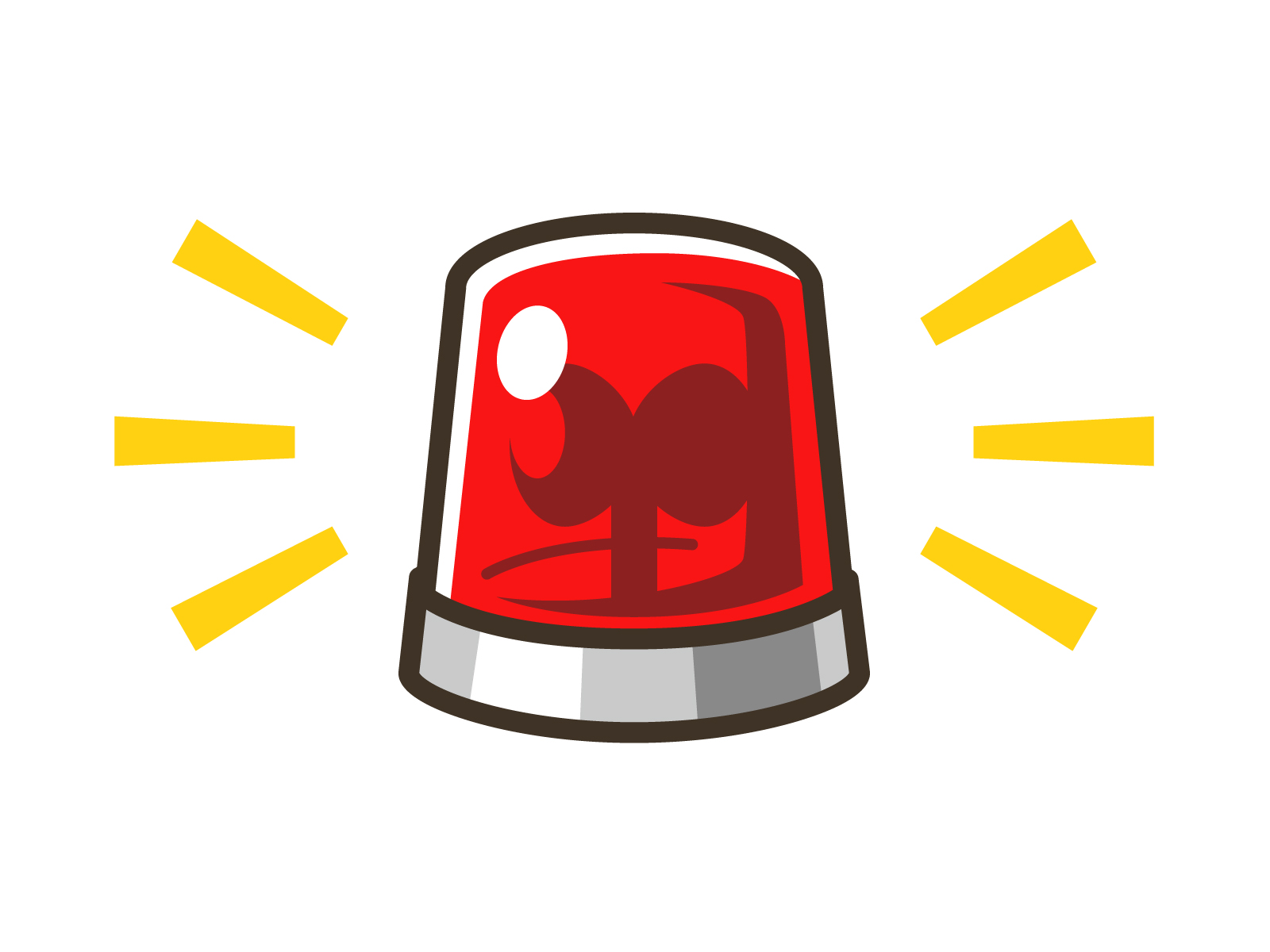
This machine debuted in Japan in 2022. Since then, almost 100% of the newly released Pachinko machines in Japan have copied this “Pre-Alert” mechanic under various names. To understand why it’s so revolutionary, you need to know about “Hopping/Reservations” (called Horyu in Japanese). A Pachinko machine can hoard up to 4 to 8 balls in a queue while the screen animates the current draw. In older machines, when a ball entered the pocket, you had no idea if it was a winner until its turn actually came up on the screen. However, when you turn the Sakibare custom setting ON, the exact millisecond a winning-eligible ball enters the pocket, the machine lets out a massive, dramatic warning sound, and a lamp flashes bright red! It instantly tells the player, “Hey, a massive jackpot opportunity just entered the queue!”
While some critics argue it makes the non-alerted spins feel boring, it is completely optional, allowing players who love the instant adrenaline rush to customize their experience.
■ 2. The Pure Ecstasy and Efficiency of the Pre-Alert Custom
Personally, if a machine has this custom feature, I lock it in 100% of the time! From a player’s perspective, the biggest benefit is how it injects extreme excitement into the otherwise mundane gameplay. The sudden shock of the loud alert creates an incredible spike of adrenaline. Even if the spin ultimately results in a loss, it keeps you on the edge of your seat.
There is also a huge tactical advantage. The moment the alert rings, you can stop launching new balls and simply watch the screen. This prevents you from wasting your steel balls on a sequence that is already predetermined to win or lose, helping you save money and protect your payout efficiency.
■ 3. The Pure Destructive Payout of Re:Zero Onigakari
When this Re:Zero model was released, the Japanese government had just implemented strict new payout regulations. The maximum amount of balls a player could win from a single jackpot was slashed from 2,400 balls down to a strict limit of 1,500 balls. The industry felt restricted, and players felt the thrill was fading.
Then came the Onigakari version, and it completely broke the meta. Through an ingenious technical loophole in the machine’s internal lottery structure, it managed to instantly chain two jackpots together seamlessly (1,500 x 2). This meant hitting the first jackpot rewarded the player with an unprecedented 3,000 balls right out of the gate! The Japanese community went absolutely wild, questioning if it was somehow even stronger than pre-regulation machines. Parlors across Japan were packed to maximum capacity, and Re:Zero became synonymous with modern Pachinko.
While newer machines today boast faster speeds, the sheer perfection of Re:Zero remains unmatched even now.
■ 4. The Evolution of the Pre-Alert Meta
Since Re:Zero popularized this trend, the Pre-Alert system has evolved drastically. While the original Re:Zero featured a beautifully balanced “40% chance of winning when the alert sounds,” modern machines offer wild variations. Some machines feature a light 10% alert that triggers frequently, while others have extreme “200%” settings where the alert only sounds if a massive, multi-chained jackpot is guaranteed.
Whether you are a casual player who wants to hear the machine scream frequently, or a hardcore gambler hunting for that one ultimate dopamine hit, there is a setting for you. Today, many Japanese players choose which machine to play based solely on how satisfying its Sakibare sound effect is.
It even allows for a clean exit strategy—you can tell yourself, “I’ll play until I hear one alert, and if it misses, I’m going home.” It was truly a revolutionary invention that combined psychological thrill with mechanical efficiency. If you want to hear the sound that re-addicted Japan, go onto YouTube and look up: “Re:Zero Onigakari Sakibare”—your brain will thank you!

Comments